
Know Your Food

Understand pesticide residues, food claims and the evidence behind them.

Get direct, sourced answers about washing and cooking, MRL and detection limits, laboratory reports, organic claims and food batch traceability—without fear or confusing jargon.

Find a healthy food answer
The direct answer

How can you judge a food claim?

Start by identifying what the claim actually describes: a cultivation practice, certification, laboratory result, ingredient statement or traceability record. Then check its product or batch scope, date and limitations. Appearance and broad words such as “natural” cannot answer those questions by themselves; specific records can make the claim more useful.

Start with the pesticide-residue guide
I want to understand a labelI want a practical checklistI want to read a testI want to choose a category
Start here

Start with pesticide residues, then follow the evidence.

Start with a clear answer, then explore the detail whenever you want it.

Start here · Pesticide residues

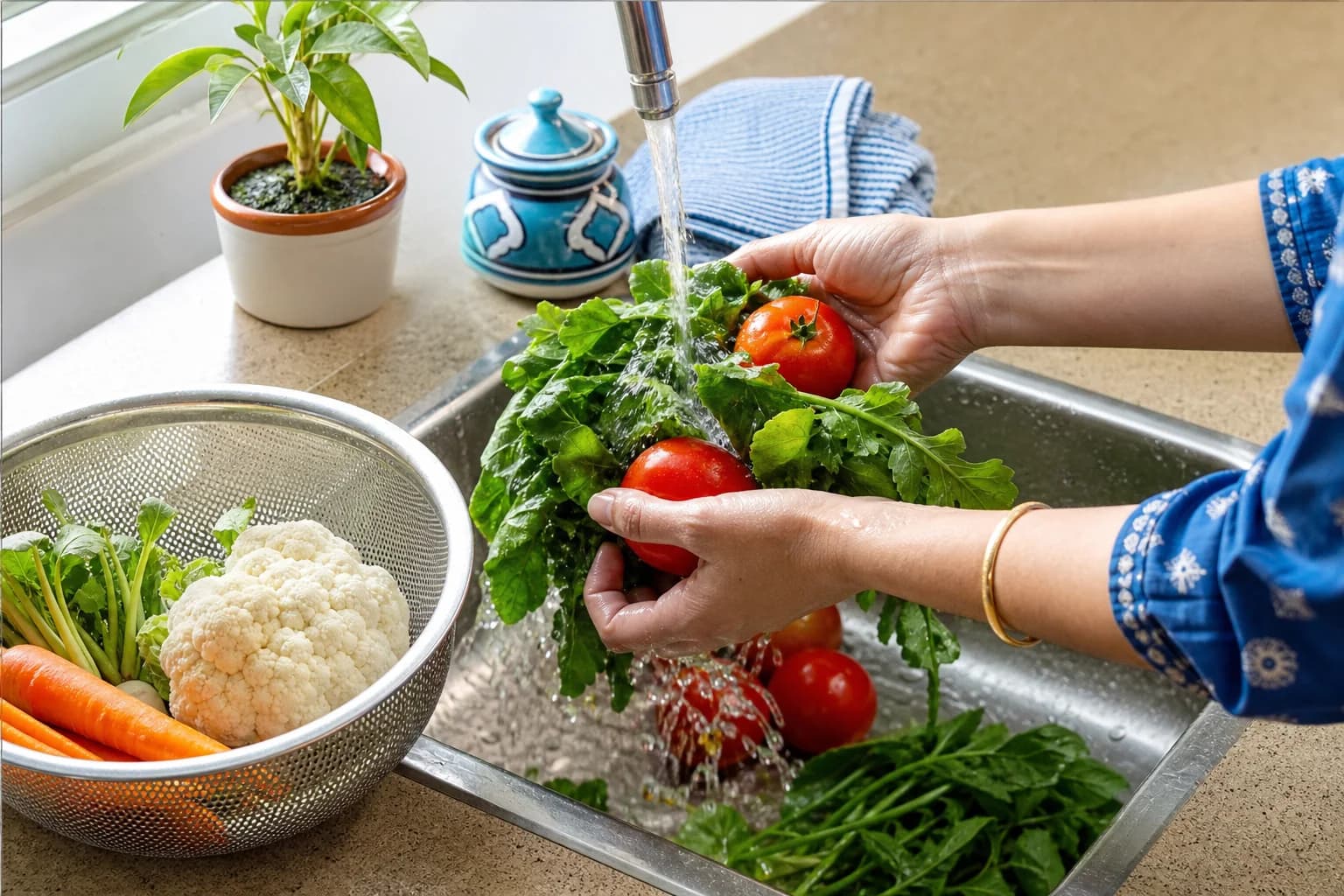
Pesticide residues in food: a practical guide for Indian families

Pesticide residue is a measurable amount of a pesticide-related substance remaining in or on food. Its meaning depends on the compound, level, food, exposure and applicable limit—not on fear or appearance alone.

8 minReviewed Sept 2026
Browse by food

Get to know what is nourishing your family.

All guides

Keep growing your food confidence.

17 reviewed guides
Ingredient guide · Ghee

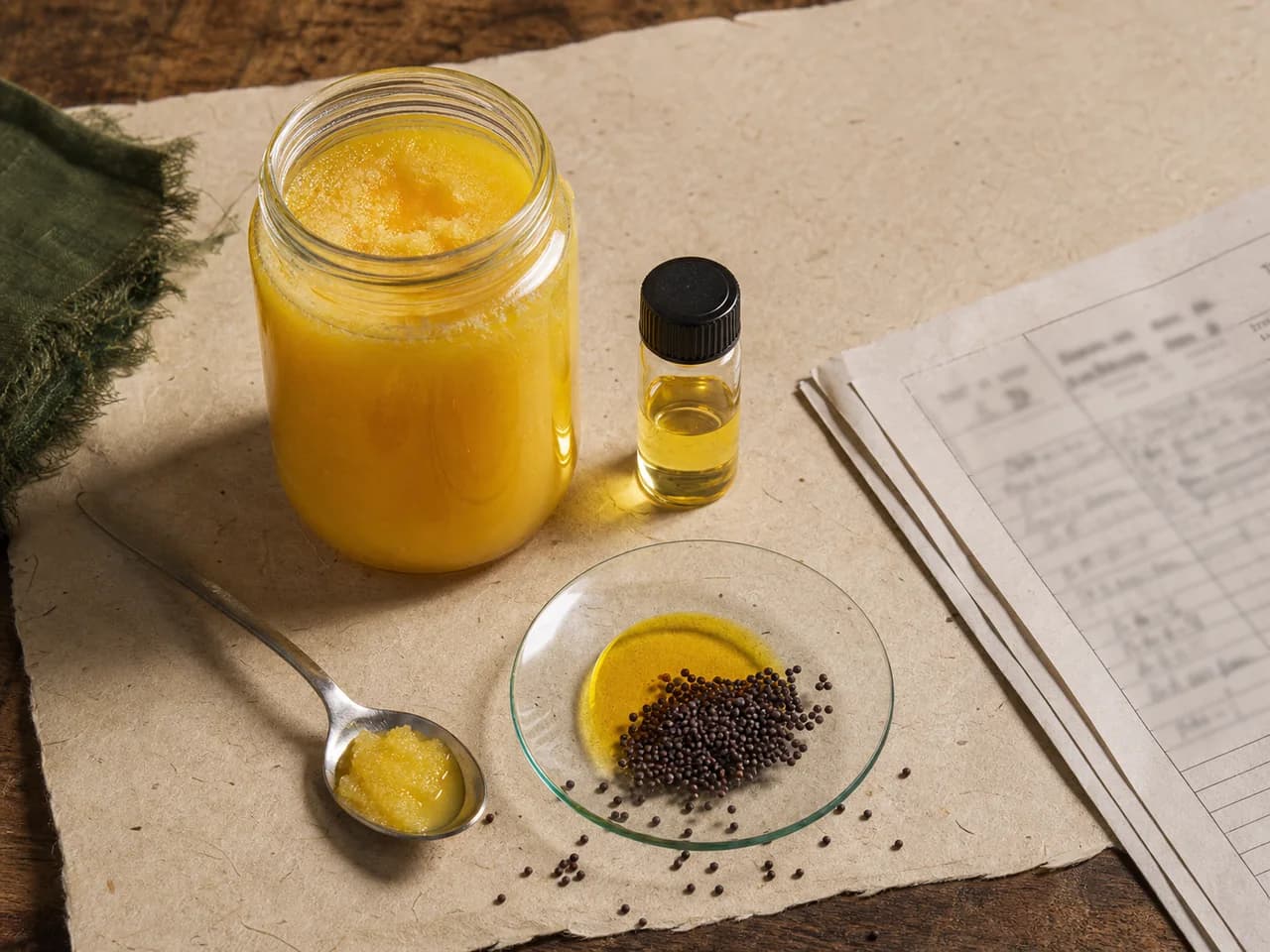
A1 and A2: what changes from milk to ghee?

A1/A2 describes beta-casein in milk. Ghee is mostly fat, so source traceability and process are different questions from testing the final fat.

5 minReviewed Sept 2026
Shopping companion

The 90-second packaged-food label check

Ingredients, nutrition, allergens, dates and licence details become much easier when you read them in a useful order.

5 minReviewed Sept 2026
Go deeper

See the care behind every check.