
 FARM SOURCED · EVIDENCE EXPLAINED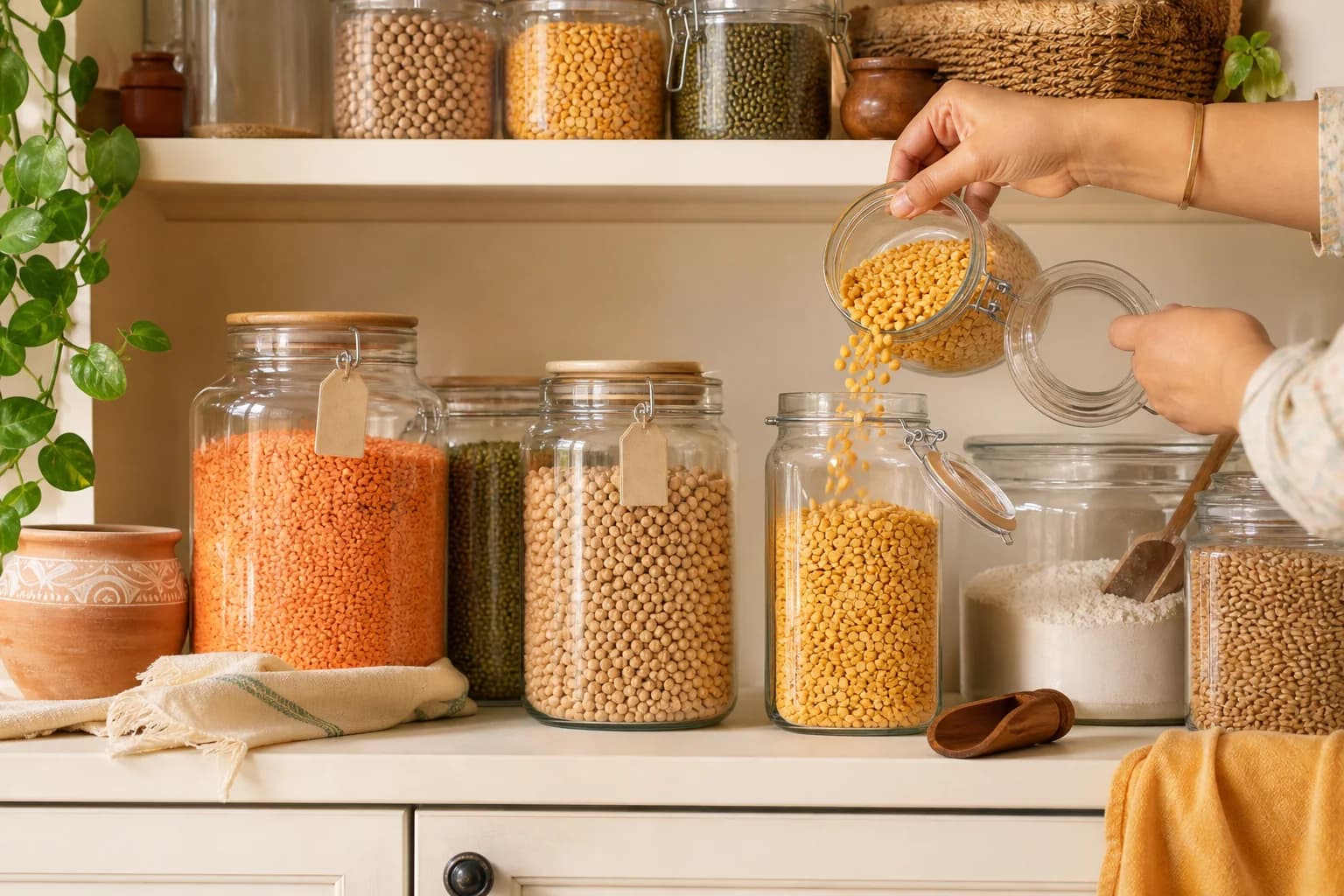
Atta after the mill: freshness and storage without folklore: the short answer
Flour has more exposed surface than whole grain, so heat, moisture, odour and time deserve a little extra attention. A whole wheat kernel protects much of its interior. Milling breaks that structure into fine particles with far more surface exposed to air.
Grinding changes the storage story
A whole wheat kernel protects much of its interior. Milling breaks that structure into fine particles with far more surface exposed to air. Whole-wheat atta includes components containing oils and enzymes that can change during storage. Heat, oxygen, light, moisture and nearby odours can all influence flavour and quality.
This is why freshly milled atta can smell lively and nutty, while poorly stored flour may become flat, stale, musty or rancid. “Fresh” is not a mystical property reserved for a particular kind of mill. It is the result of sound grain, hygienic milling, sensible packaging and a journey short enough for the household’s actual rate of use.
The best flour quantity is not the biggest bargain bag. It is the amount your kitchen can store well and use happily.
Choose the product, pack and quantity together
Read the food name and ingredient list, especially for multigrain or fortified products. Check pack integrity, batch, dates, licence information and storage instructions. If buying from a local mill, ask how grain and flour are protected from moisture, pests, cross-contact and old residues in equipment.
Then choose quantity. A small household in a humid season may benefit from buying less more often. A larger family with frequent roti meals can rotate a bigger pack quickly. Value is not only price per kilogram; flour discarded after odour or infestation is an expensive cupboard ornament.
Create a cool, dry and boring home
Flour likes storage that is uneventful. Use a clean, dry, food-grade container with a close-fitting lid. Keep it away from steam, leaks, sunlight, cleaning products and strongly aromatic foods. Do not refill over a layer of forgotten old flour; empty, inspect, clean and dry as appropriate before adding a new batch.
Warm climates and long storage may justify refrigeration or freezing if the product guidance and household setup support it. Protect the flour in a moisture-resistant sealed container and allow the closed container to approach room temperature before opening, reducing the chance of condensation landing inside. The cold cupboard is only helpful if it does not add water.
Notice quality changes without inventing home science
Look for insects, webbing, clumps from dampness, visible mould and unusual colour. Smell the flour for a clean grain aroma rather than mustiness, sourness or paint-like rancidity. These checks can identify obvious problems, but they cannot prove the absence of every contaminant or establish nutritional composition.
Sifting can remove visible foreign matter, not reverse chemical deterioration or make mouldy flour safe. Roasting or adding spices cannot repair a rancid batch. When the signs are clearly wrong, discard the flour and investigate the storage cause. Good kitchen judgement includes knowing when not to make parathas.
Let the dough give practical feedback
Absorption and dough feel vary with wheat, milling, particle size, age and weather. Add water gradually and judge the dough you have rather than forcing every batch to obey one viral ratio. Differences in handling do not necessarily mean adulteration; they are prompts to understand the flour and source.
Keep the routine light: buy sound flour, date the container, store it dry, rotate it and use your senses for obvious changes. Atta is an everyday food, and its best storage system should feel equally everyday. A clean jar and realistic shopping rhythm beat folklore, anxiety and a pantry bag large enough to rent its own room.
Match the mill rhythm to the roti rhythm
Estimate how much atta your household uses in two or four weeks and buy accordingly. If you prefer local milling, agree on grain, cleaning and grind, then note the milling date. If you prefer packaged flour, use batch and date information. Neither route wins automatically; the better route is the one with sound grain, hygiene, clear identity and storage that fits your pace.
Avoid transferring flour with a damp cup or leaving the lid open during a long cooking session. Keep the scoop clean and dedicated. If you combine flours, label the mixture and make only an amount you will use soon. Mystery multigrain jars are fun until no one remembers whether groundnuts, soy or another allergen joined the party.
Use fresh-smelling flour in varied meals and pair grain choices with the rest of a balanced diet. Whole-grain language is useful when the product truly contains the whole grain; it is not a guarantee that every dish or portion is automatically balanced. The mill begins the story. Your storage, recipe and plate write the cheerful final chapters.
Seasonal humidity deserves special attention. If the container or scoop ever feels damp, stop and dry the system before refilling. Check nearby walls and shelves for condensation or leaks. Pantry problems often come from the room rather than the grain. Fixing the small source of moisture can protect flour, spices and pulses together—a satisfying bit of household detective work.
Sources and evidence
Primary material comes first. Brand standards are labelled separately from external evidence.
Tell us. Material corrections are dated and recorded, not silently overwritten.
Read our corrections policy